
The global demand for aluminium sheets is on the rise. According to a recent market analysis by Smith & Associates, the aluminium sheet sector is projected to grow by over 5% annually through 2026. As industry needs evolve, choosing reliable Aluminium Sheet Stockists has never been more critical.
Expert John Smith, a leading figure in the aluminium market, emphasizes, "Quality sourcing is the backbone of any manufacturing business." This highlights the importance of selecting stockists who uphold quality standards. Regional players and international stockists play pivotal roles in the supply chain, affecting pricing and availability.
Many buyers struggle to find stockists that balance quality and cost. Not all stockists meet industry benchmarks for durability and versatility. The challenge remains: how can buyers locate the best Aluminium Sheet Stockists globally? Industry reports indicate that transparency and customer reviews are essential. Still, not every stockist provides comprehensive information. This gap creates uncertainty, making informed decisions difficult for buyers navigating a competitive landscape.
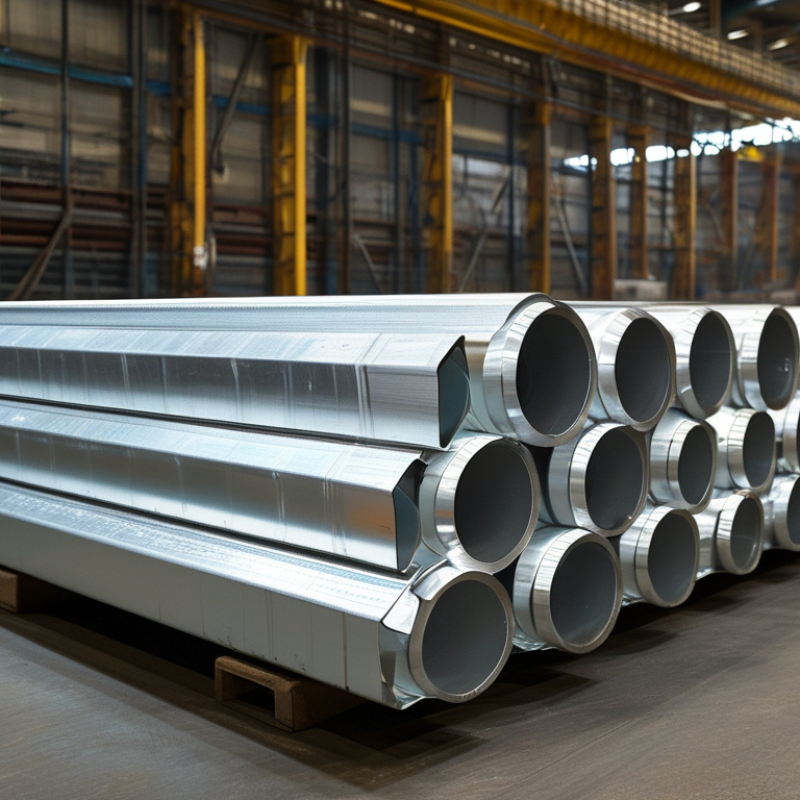
In 2026, the global market for aluminium sheet stockists is evolving rapidly. Buyers are increasingly seeking reliable suppliers who provide quality materials at competitive prices. This shift requires stockists to maintain strong relationships with manufacturers and focus on sustainability. Environmental standards are becoming more significant. This trend raises questions about the sourcing of raw materials.
Tips: Research potential suppliers thoroughly. Look for those committed to ethical sourcing. Quality should never be compromised.
The aluminium sheet market is influenced by various sectors. Construction, automotive, and aerospace industries are major consumers. Stockists must analyze industry trends continually. Understanding the requirements will aid in better inventory management. Adapting to changing demands is crucial for long-term success.
Tips: Stay updated with market reports. Networking with industry professionals can provide valuable insights. Flexibility is needed, especially in unpredictable markets.
When discussing high-quality aluminium sheets, it’s essential to consider several key characteristics. Durability is crucial. A report from the International Aluminium Institute highlights that aluminium’s corrosion resistance leads to longer-lasting materials. This characteristic is vital, especially in industries like construction and automotive.
Thickness and weight are also important metrics. Quality sheets typically range from 0.2 mm to 6 mm in thickness. Industry standards indicate that sheets with a higher gauge are often more reliable. In fact, data suggests that sheets above 3 mm can better withstand stress. This attribute often translates to better performance in demanding applications.
Moreover, the surface finish of aluminium sheets can significantly impact their usability. A smooth finish not only enhances aesthetics but also improves resistance to contaminants. Many buyers overlook this aspect, yet it can influence maintenance costs down the line. Achieving a fine balance between weight and strength remains a challenge for manufacturers. Striking this balance is vital for competitive advantage.
Choosing the best aluminium sheet stockists is crucial for buyers in 2026. Revenue plays a key role in identifying successful stockists. In this competitive market, the top five must demonstrate reliability and quality. Each stockist will offer unique strengths and challenges.
When selecting a stockist, consider various factors. The stockist's history and experience in the aluminium industry can be telling. Robust customer support is also essential. Look for those with positive feedback from past clients. This can help you gauge their reputation.
Tips: Always request samples before placing large orders. This helps ensure the quality meets your expectations. Moreover, engage with stockists about their sourcing and manufacturing processes. Transparency can indicate a trustworthy partner. Don’t overlook the importance of delivery times. Reliable logistics are as crucial as quality materials.
In 2026, sustainability trends are reshaping the aluminium sheet industry. Buyers increasingly seek eco-friendly materials. Stockists must adapt to these changes or risk losing business. Renewable energy sources are becoming crucial in aluminium production. Manufacturers are adopting cleaner technologies. This shift could lead to cost increases, posing challenges for smaller stockists.
Recycling practices are also gaining momentum. Many companies now prioritize recycled aluminium sheets. Sourcing materials sustainably enhances brand loyalty among buyers. However, this can be complicated. The availability of high-quality recycled aluminium fluctuates. Stockists may struggle to maintain consistent supply. Transparency in sourcing is vital for building trust.
The industry faces scrutiny over environmental impact. Customers demand more accountability from stockists. It forces stakeholders to reflect on their practices. Continuous education about sustainability trends is essential. Those who neglect these changes may fall behind. The future demands a balance between profit and planetary health. The landscape is evolving, and adaptation is key.
As we look towards 2026, the demand for aluminium sheets is anticipated to grow significantly. According to the latest industry analysis from Smithers, the global market for aluminium sheets is projected to reach $150 billion by 2026. This growth is driven by various sectors, including construction, transportation, and packaging. Construction alone is expected to contribute over 40% of this growth, as aluminium’s lightweight yet strong properties make it an ideal material.
However, challenges remain in meeting this escalating demand. The supply chain for aluminium has exhibited volatility, influenced by factors like energy prices and geopolitical tensions. The Aluminium Association reports that production costs are rising. Additionally, recycling practices must improve to ensure sustainability in the aluminium industry. While consumers increasingly prefer sustainable products, the current recycling rate of aluminium hovers around 75%, suggesting significant room for improvement.
In North America, demand is also shifting towards thinner gauges and specialized finishes. These trends indicate a growing need for manufacturers to adapt. Suppliers must invest in technology to enhance production efficiency. Failure to do so could result in missed opportunities. Monitoring these shifts will be crucial for stockists aiming to meet the needs of global buyers effectively.
: High-quality aluminium sheets are durable, corrosion-resistant, and designed to last longer in various industries.
Quality sheets typically range from 0.2 mm to 6 mm in thickness, with those above 3 mm being more reliable.
A smooth finish enhances aesthetics and improves resistance to contaminants, impacting maintenance costs significantly.
Buyers should evaluate the stockist's history, customer support, and reputation through feedback from past clients.
Always request samples before placing large orders to make sure the quality meets your expectations.
Sustainable materials and renewable energy sources are becoming crucial, requiring stockists to adapt.
Many companies prioritize recycled aluminium sheets, but sourcing issues can lead to supply inconsistencies.
Transparency builds trust with customers and shows accountability in sourcing practices.
Smaller stockists may struggle with cost increases and maintaining supply of high-quality recycled materials.
A balance between profit and environmental health is essential for stockists to stay competitive in the evolving market.
The article titled "2026 Best Aluminium Sheet Stockists for Global Buyers" provides a comprehensive overview of the aluminum sheet market, focusing on the key players within the stockists' segment. It outlines the global market landscape for aluminium sheet stockists, highlighting the crucial characteristics that define high-quality aluminium sheets in the industry. The analysis identifies the top five aluminium sheet stockists ranked by their global revenue in 2026, reflecting their prominence and influence in the market.
Additionally, the article delves into the sustainability trends that are shaping the practices of aluminium sheet stockists in 2026, emphasizing the industry's shift towards environmentally friendly methods. It also offers insights into market demand forecasts for aluminium sheets, providing valuable analysis for stakeholders looking to navigate this evolving landscape. Overall, the article serves as a critical resource for understanding the emerging trends and competitive dynamics among aluminium sheet stockists in 2026.
