
Choosing the right Aluminum Foil Stock is a practical decision, not a thickness comparison alone. Buyers must examine alloy, temper, width, surface finish, gauge tolerance, and intended use. A foil selected for pharmaceutical blister packs may fail in a demanding food-lidding application. The difference can appear as pinholes, weak seals, or wrinkles beside the reel edge.
“Foil performance begins with matching the material to the process, not simply choosing the thinnest gauge,” says Dr. Mark J. Anderson, an aluminum rolling and packaging specialist. His observation reflects a common manufacturing lesson: lower weight does not always mean better value. A converter running high-speed slitting equipment may need stronger temper and tighter flatness control. A household foil producer may prioritize ductility, tear resistance, and consistent forming behavior.
Start with the application.
Check the forming depth, sealing temperature, coating requirements, and expected shelf life. Ask suppliers for mill certificates, thickness data, tensile results, and pinhole inspection records. Confirm whether the stock supports printing, laminating, or heat-sealing without surface treatment problems. These details can expose quality differences before production begins.
There is no universal “best” Aluminum Foil Stock. That assumption is convenient, but incomplete. I have seen specifications look ideal on paper while production revealed curling, edge cracks, or inconsistent feeding. Trial orders remain valuable. Compare samples under real line conditions, including storage humidity and machine speed. The final choice should balance performance, reliability, waste, and total operating cost—not merely the price per kilogram.
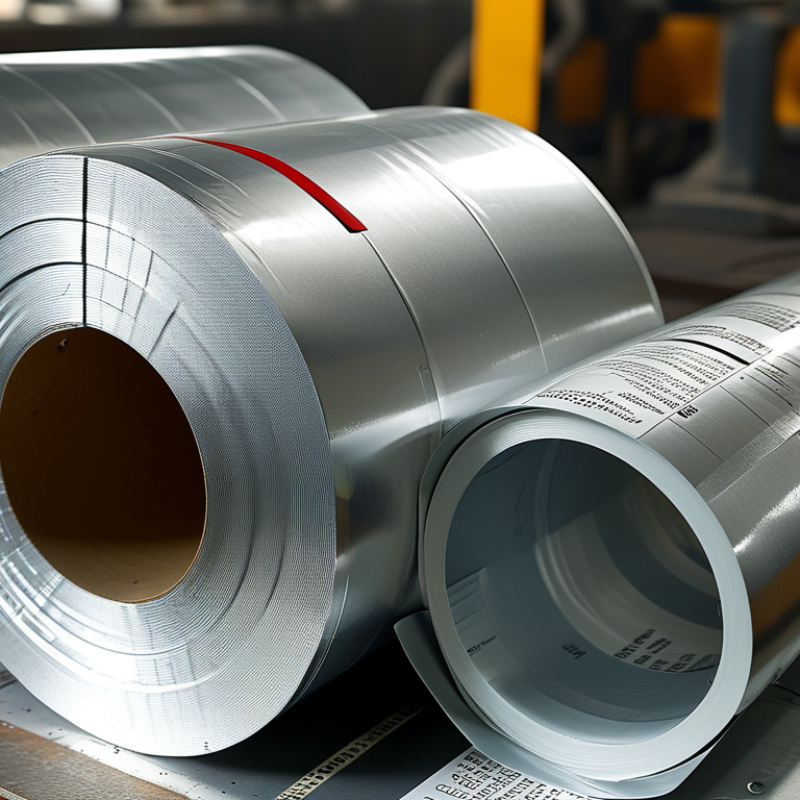
Aluminum foil stock is the rolled material purchased before cutting, forming, coating, or sealing. It is usually supplied as a large coil, slit roll, or flat sheet. Its thickness, alloy, temper, width, and surface finish determine how it performs during production. In simple terms, stock is the starting material, not the finished package or component.
Common forms serve different workshop needs. Jumbo rolls suit high-volume lines and reduce frequent changes. Slit coils fit narrower machines and improve material control. Sheets work well for manual forming, prototypes, and smaller production runs. Some stock has a mill finish, while other grades are coated, embossed, or laminated. Embossing can add texture, but it may also affect thickness and flexibility. Small details matter.
Choosing the right form requires more than comparing price per kilogram. A thin, soft alloy may fold easily, yet it can tear around sharp corners. A harder temper may run better through equipment, but it can resist deep forming. Check the supplier’s thickness tolerance and test a sample on the actual machine. Do not rely only on a specification sheet. Humidity, storage time, and handling can change the surface condition. A common mistake is ordering the widest coil available. It may create more trimming waste. A narrower slit roll could be less expensive overall, even when its unit price appears higher.
Choosing aluminum foil stock starts with the product’s real demands, not a preferred alloy.
Alloy 1xxx offers high purity, excellent ductility, and strong electrical conductivity. It suits food wrapping, household foil, and simple forming.
Alloy 3xxx adds manganese, improving strength while preserving useful formability. It can perform better when the package faces handling or repeated bending.
Alloy 5xxx may provide higher strength and corrosion resistance, but it can require tighter forming control.
Temper changes how the foil behaves during production. O temper is soft and highly formable, making it suitable for deep drawing and complex shapes. H14 offers a balance between strength and flexibility. H18 is harder and resists deformation, but it may crack sooner around sharp corners. That tradeoff is easy to overlook. A thinner, harder foil may reduce material use, yet it can create sealing or pinhole problems if the process is poorly controlled. Review forming depth, folding radius, tensile strength, surface finish, and end-use temperature together.
Tips:
Ask for test samples before approving regular supply. Compare elongation, tensile strength, coating adhesion, and sealing performance under actual line conditions. Do not select temper from a catalog alone. Production speed, tooling wear, and humidity can change results. A practical trial may expose a mismatch that laboratory data misses. Record both successful settings and failed trials. Those details support better decisions during the next material review.
Choosing aluminum foil stock starts with three measurable details: thickness, width, and surface condition. European Aluminium’s technical report, Aluminium Foil in the Circular Economy, defines foil as material below 0.2 millimeters. In practice, packaging grades often range from 6 to 100 microns. Thinner stock reduces weight, but it tears more easily around sharp corners. Test a sample over the actual forming radius. Small differences matter.
Width should match the converting line, not merely the finished package. A wider coil may reduce joints, yet it can increase edge trim and handling risk. Confirm width tolerance, camber, and coil winding quality with the mill. ASTM B479/B479M provides relevant requirements for aluminum foil used in packaging and household applications. Surface specifications deserve equal attention. Request bright or matte finish, oil-residue limits, pinhole limits, and surface roughness data. European Aluminium’s 2023 packaging circularity report notes that foil below 20 microns can remain technically recyclable when collected and processed correctly; however, coatings and contamination still influence recovery. This is where specifications become practical, not decorative.
Alloy choice also affects strength, elongation, and sealing behavior. Ask for a certificate showing alloy, temper, thickness, width, and test results. Do not rely on “standard quality.” That phrase is too vague. I would also challenge my own assumption: thinner is not always more efficient. A slightly thicker foil may prevent rejects, leaks, and costly line stoppages. Test production conditions before approving the full coil order.
| Stock Category | Typical Thickness | Common Width Range | Typical Alloy / Temper | Surface Specification | Suitable Applications | Key Selection Considerations |
|---|---|---|---|---|---|---|
| Household and Food Packaging Foil | 0.009–0.025 mm | 200–1,600 mm | 8011-O, 1235-O | Bright or matte mill finish; clean, dry, and free from oil stains, pinholes, and excessive wrinkles | Food wrapping, kitchen foil, baking, catering, and household use | Choose thinner stock for flexibility and folding. Use thicker stock when tear resistance and puncture resistance are more important. |
| Flexible Packaging Lamination Foil | 0.006–0.020 mm | 200–1,650 mm | 1235-O, 8079-O, 8011-O | Bright or one-side-bright finish; controlled roughness and good surface cleanliness for coating or laminating | Pouches, sachets, pharmaceutical packs, coffee packs, and barrier laminates | Confirm surface energy, cleanliness, pinhole level, and compatibility with adhesive, lacquer, or polymer layers. |
| Blister Pack Foil | 0.020–0.030 mm | 200–1,600 mm | 8011-H18, 8021-O | Bright or matte finish; tight gauge control and high surface cleanliness for printing and heat sealing | Pharmaceutical blister packs and medical product packaging | Prioritize consistent thickness, low pinhole frequency, printability, and reliable heat-seal or lacquer adhesion. |
| Container and Tray Stock | 0.040–0.100 mm | 500–1,700 mm | 3003-O, 8011-O | Mill finish with controlled surface appearance; suitable for forming and coating | Food containers, takeaway trays, baking trays, and semi-rigid lids | Use thicker material for deeper draws or higher rigidity. Check formability, ear formation, and surface quality after forming. |
| Cable Shielding Foil | 0.020–0.100 mm | 200–1,600 mm | 1050-O, 1235-O, 8011-O | Clean mill finish; one-side-bright or matte surface depending on the shielding construction | Telecommunication cables, signal cables, and electromagnetic shielding layers | Evaluate electrical continuity, tensile strength, flexibility, thickness uniformity, and compatibility with drain-wire or polymer layers. |
| Insulation and HVAC Foil | 0.020–0.100 mm | 500–1,600 mm | 1050-O, 1060-O, 8011-O | Bright reflective surface or embossed finish; dry and free from corrosion and heavy rolling marks | Insulation facings, duct insulation, radiant barriers, and building products | A bright surface improves reflectivity, while embossing can improve appearance, handling, and bonding performance in laminated systems. |
| Industrial Fin Stock | 0.050–0.200 mm | 400–1,600 mm | 1100-O, 3003-O, 8011-H22 | Mill finish, one-side-bright finish, or controlled embossed finish | Heat exchangers, fins, industrial covers, and formed components | Match alloy and temper to forming depth, thermal performance, corrosion resistance, and required post-processing. |
| Rigid Industrial Sheet-Like Foil | 0.150–0.300 mm | 500–1,600 mm | 1050-H14, 3003-H14, 5052-H32 | Mill finish, brushed finish, or anodizing-grade surface where specified | Reflectors, nameplates, covers, panels, and fabricated industrial parts | Confirm flatness, edge quality, tensile properties, and surface requirements for painting, printing, brushing, or anodizing. |
Choosing aluminum foil stock starts with measurable performance, not surface brightness. The European Aluminium Foil Association’s 2024 technical data places common foil thicknesses roughly between 6 and 200 micrometres. Thinner foil saves material, but it also demands better rolling control and stricter pinhole inspection.
A practical warning: a laboratory barrier result can look excellent, yet a formed package may still leak.
Check oxygen transmission, water-vapor transmission, and seal-area integrity after forming. These tests reveal more than flat-sheet data. The Aluminum Association’s Aluminum Standards and Data 2024 links alloy and temper selection with tensile strength, elongation, and forming behavior.
Higher strength may improve handling, but excessive hardness can increase cracking during deep drawing.
It worked on paper. Not always on the press.
Ask suppliers for batch-level results, not only nominal specifications. Compare tensile strength, elongation, thickness variation, and pinhole counts. Then run a production trial with real tooling, forming speed, and lubricant conditions.
A 10% thickness reduction may appear efficient, but reject rates can erase the saving.
I have seen teams underweight forming performance. That mistake deserves another review.
Reliable selection combines report data, factory experience, and evidence from the actual line.
Choosing the right aluminum foil stock is less about the lowest quote and more about evidence behind it. Ask each supplier for alloy, temper, thickness tolerance, pinhole limits, surface finish, and coil weight. Then compare those details in one table. The USGS Mineral Commodity Summaries 2024 places 2023 global primary aluminum output near 70 million metric tons, showing a vast, uneven market. Large supply does not guarantee stable foil quality. Request recent inspection records, not polished promises.
Certifications should match your risk. For food-contact stock, verify applicable declarations, migration testing, and lot traceability. ISO 9001 supports process control, while ISO 14001 addresses environmental management. An EN 10204 3.1 certificate can link chemistry and mechanical results to a specific batch. Still, certificates can be outdated. Check the scope, expiry date, issuing body, and quoted production site. That last check is easy to miss. A trial order can reveal quality variation before a larger commitment.
Compare landed cost, not only price per kilogram. Include slitting, packaging, testing, duties, storage, and rejected-material allowances. The International Aluminium Institute reports that recycled aluminum uses about 5% of the energy required for primary production. Recycled content may reduce environmental impact, but confirm alloy consistency and supporting records. Delivery terms deserve equal attention. Clarify Incoterms, lead time, minimum order quantity, safety stock, claims procedures, and transit-damage responsibility. Ask for realistic production windows. Forecasts are not guarantees. An audit or trial shipment may expose weaknesses earlier than a spreadsheet.
A practical comparison of common procurement priorities when evaluating aluminum foil stock suppliers.
Benchmark scale: 1 = less favorable and 5 = more favorable. Standard mill stock generally offers lower cost and faster delivery, while certified food-contact and custom-slit stock typically provide stronger compliance support and specification flexibility. Actual pricing, minimum order quantities, lead times, and certification requirements vary by alloy, temper, thickness, width, quantity, and destination.
: It is rolled aluminum purchased before cutting, forming, coating, or sealing. It is not a finished package. Stock usually arrives as a coil, slit roll, or flat sheet.
Jumbo rolls suit high-volume production and reduce machine changes. Slit coils fit narrower equipment and control material better. Sheets support manual forming, prototypes, and short runs.
Thickness, alloy, temper, width, and surface finish affect production results. Coatings, embossing, and laminates change the surface behavior. Small details matter.
No. A wide coil may create excessive trimming waste. A narrower slit roll may cost less overall. The lower unit price can mislead.
Thin foil uses less material but requires tighter rolling control. It also needs careful pinhole inspection. A thinner option may increase rejects.
Softer foil folds easily but may tear around sharp corners. Harder temper can run smoothly but resist deep forming. It worked on paper. Not always on the press.
Request tensile strength, elongation, thickness variation, and pinhole counts. Also check oxygen transmission and water-vapor transmission. Test seal integrity after forming, not only on flat foil.
A laboratory result may not predict formed-package performance. Use real tooling, forming speed, and lubricant conditions. A 10% thickness reduction may disappear through higher reject rates.
Protect coils and sheets from humidity and rough handling. Storage time can change surface condition. We may underestimate this risk. Inspect the material before production.
Choosing the right Aluminum Foil Stock begins with understanding its available forms, such as rolls, sheets, and slit coils, and identifying how each format fits your production process. The correct alloy and temper should match the final product’s needs for flexibility, strength, ductility, and resistance to cracking. Thickness, width, surface finish, and tolerance should also be reviewed carefully to ensure smooth processing and consistent appearance.
Performance requirements are equally important. Consider the foil’s barrier protection, tensile strength, heat resistance, and forming behavior, especially for applications involving bending, sealing, or deep drawing. When comparing suppliers, evaluate material certifications, quality-control procedures, minimum order quantities, pricing, lead times, packaging, and delivery terms. A well-chosen Aluminum Foil Stock can improve manufacturing efficiency, reduce material waste, and provide reliable performance throughout the product’s service life.
